

How Good is CGC Grading?
When it comes to the world of trading cards, grading plays a pivotal role in determining the value and desirability of a card. Among the various grading services available, CGC (Certified Guaranty Company) has emerged as a notable grading company, especially in the realm of trading cards and card collecting. However, the question remains: how good is CGC grading compared to its competitors like PSA (Professional Sports Authenticator)? This article delves into the intricacies of CGC grading, exploring its strengths, weaknesses, and overall market perception.
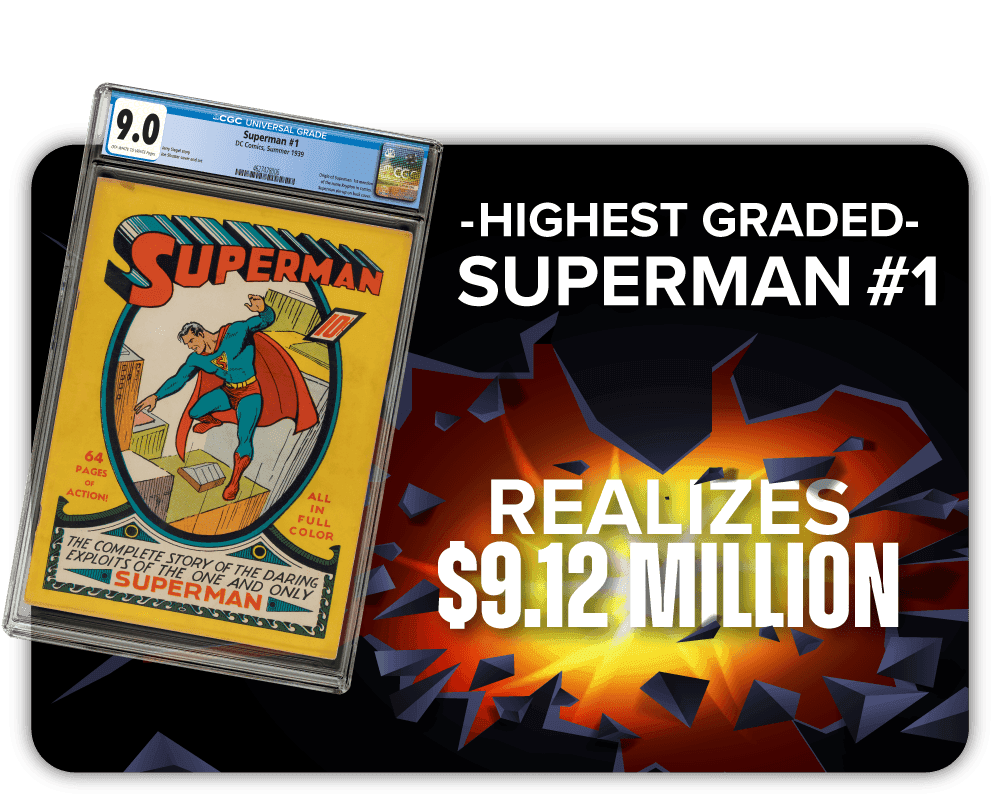
Image Source: CGC Grading
Understanding CGC Grading
A Brief Overview of CGC
CGC is primarily recognized for its expertise in CGC comics and comic grading, but it expanded its card grading services to include trading cards in 2020. This transition has allowed CGC to tap into a growing market, particularly for non-sports cards and trading card games such as Pokémon and Magic: The Gathering. The company has gained traction due to its detailed grading system and transparent processes, which appeal to collectors seeking accuracy and reliability. Each graded card receives a unique certification number and features holographic security measures to prevent counterfeiting.
The Grading Scale
CGC employs a grading scale that ranges from 1 to 10, similar to PSA. However, CGC distinguishes itself by offering half-point grades, such as 9.5. This granularity allows for a more precise evaluation of a card's condition based on strict grading criteria. The grading breakdown includes:
- Pristine 10: The highest possible grade, indicating a flawless card with perfect surface quality.
- Gem Mint 10: Near-perfect condition with minimal imperfections.
- 9.5, 9.0, 8.5, etc.: Various levels of near-mint to excellent condition.
This detailed grading system is particularly beneficial for collectors who value accuracy and want to ensure their cards are assessed fairly, especially when evaluating modern cards.
The Pros of CGC Grading
Detailed Grading System
One of the standout features of CGC grading is its detailed approach. The inclusion of half-point grades allows for a more nuanced evaluation of card quality. Collectors appreciate this level of precision, as it helps differentiate between cards that may appear similar at first glance.
Competitive Pricing
CGC is often seen as a more affordable option compared to PSA when it comes to CGC pricing and grading costs. For collectors looking to get cards graded in bulk, this cost-effectiveness can be a significant advantage. CGC grading costs are structured across multiple grading tiers to accommodate different budgets and service speeds. These tiers include:
- Economy tier for budget-conscious collectors
- Standard tier for regular submissions
- Express tier for faster service
- Walkthrough tier for premium expedited grading
- Unlimited value tier for high-value cards
Lower grading costs can encourage more collectors to submit their cards for evaluation, thereby increasing the overall market for CGC-graded cards.
Faster Turnaround Times
In comparison to PSA, CGC has gained a reputation for quicker turnaround times. This efficiency is particularly appealing to collectors who want to receive their graded cards back promptly, especially in a fast-paced market where card values can fluctuate rapidly. The various grading tiers also allow collectors to choose their preferred turnaround time based on urgency and budget.
The Cons of CGC Grading
Market Perception
Despite its strengths, CGC faces challenges in market perception. Many collectors in the card collecting community still view PSA as the gold standard for grading, particularly for sports cards. This perception can lead to lower resale values for CGC-graded cards, as buyers may be hesitant to invest in a grading service that is not as widely recognized.
Inconsistent Grading Standards
While CGC aims for strict grading standards, some collectors have reported inconsistencies in the grading process. This variability can lead to frustration, especially for those who expect a certain level of quality assurance. The grading community often discusses these inconsistencies, which can impact overall trust in CGC grading.
Limited Recognition in Certain Circles
In high-end trading card circles, CGC is sometimes perceived as a lower-tier grading service. This perception can hinder collectors’ ability to trade or sell their CGC-graded cards, as potential buyers may prefer PSA or BGS (Beckett Grading Services) graded cards instead.
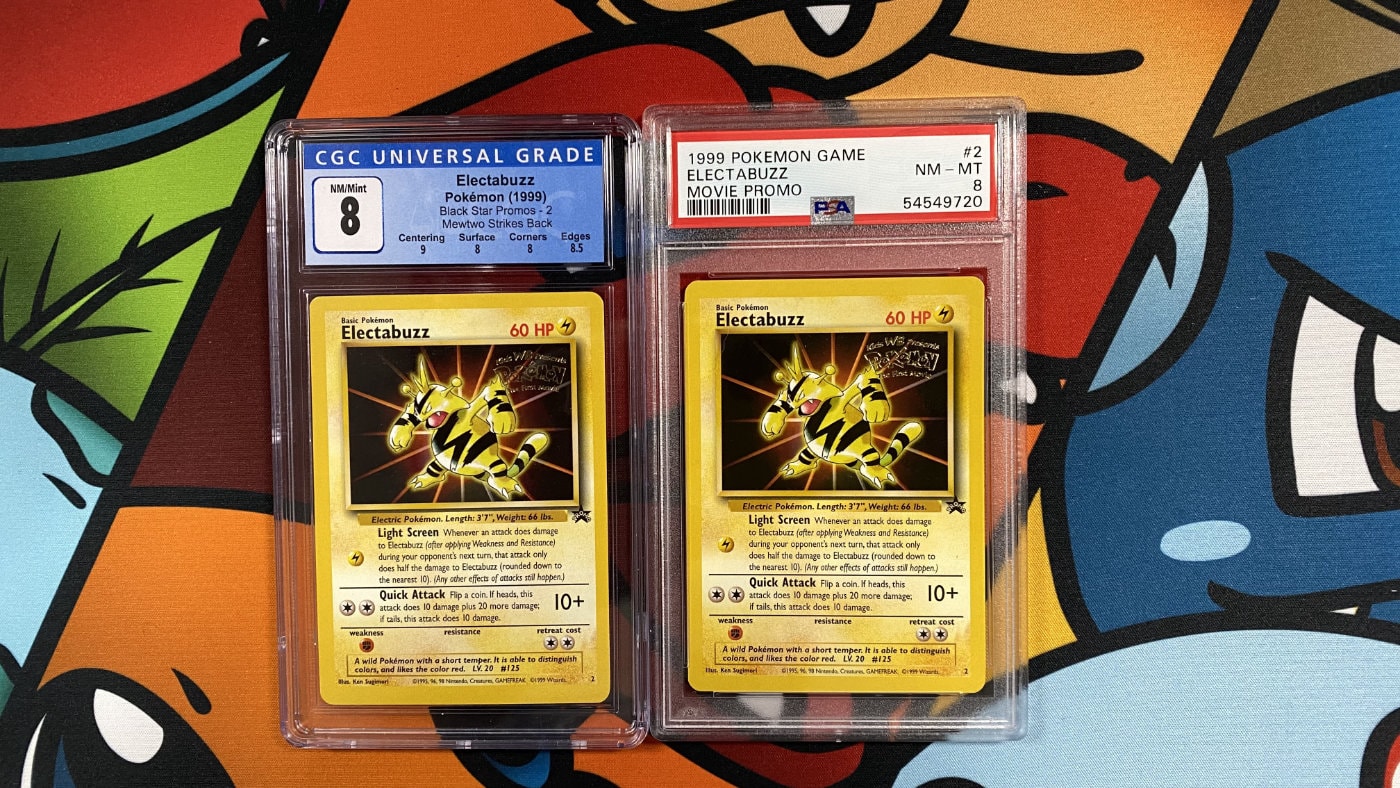
Image Source: poketrainernic
Comparing CGC to PSA
Grading Standards
When comparing CGC to PSA, one of the most significant differences lies in grading standards. PSA is known for being slightly more lenient, which can make it easier for cards to achieve higher grades. This leniency can be advantageous for collectors looking to maximize their cards’ resale value.
Resale Value
PSA-graded cards typically command higher resale prices, especially for sports cards and vintage collectibles. The established reputation of PSA in the market gives its graded cards a premium value. In contrast, CGC-graded cards often sell for less, which can be a deterrent for collectors focused on investment potential. Both services offer signature series options for autographed cards, though PSA’s signature series cards generally maintain higher market values.
Aesthetic Appeal
The design of the grading slabs also plays a role in collectors’ preferences. PSA’s classic red label is instantly recognizable, while CGC’s blue label offers a modern look. Some collectors prefer the aesthetic of PSA slabs, which can influence their grading choices.

Image Source: slab-z
The Future of CGC Grading
Potential for Growth
Despite the challenges it faces, CGC has the potential for growth in the trading card market. As demand for graded trading cards continues to rise, CGC can capitalize on its strengths, such as competitive pricing and faster turnaround times. Additionally, the company’s established reputation in comic grading can lend credibility to its trading card services.
The Impact of PSA's Market Dominance
With PSA currently dominating the grading market, CGC may find opportunities to carve out its niche. As PSA continues to expand its services and increase prices, collectors may seek alternatives, creating space for CGC to thrive. If CGC can enhance its reputation and address concerns about grading consistency, it could see a boost in popularity.
The Emergence of New Players
The trading card grading landscape is evolving, and new players may enter the market. As collectors seek alternatives to established services, innovative grading companies could emerge, offering unique features or improved processes. This competition could benefit collectors by driving down prices and enhancing service quality across the board.
Conclusion
In summary, CGC grading presents both advantages and challenges for collectors. While its detailed grading system and competitive grading costs make it an attractive option, market perception and resale value remain significant hurdles. As the trading card market continues to evolve, CGC has the potential to strengthen its position, especially if it can address concerns about grading consistency and enhance its overall reputation.
Ultimately, the choice between CGC and other grading services like PSA depends on individual priorities. Collectors focused on maximizing resale value may lean toward PSA, while those seeking a more affordable and efficient grading process might find CGC to be a suitable alternative when getting cards graded. As the landscape of graded trading cards continues to shift, staying informed about the strengths and weaknesses of each grading service will be crucial for collectors and investors alike.